
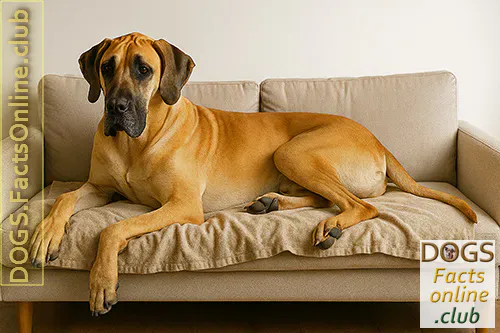






What exactly are Working dogs?
Working dogs are the heavy lifters of the canine world, and were bred to cover a surprising range of tasks.
They were bred to protect property, move loads, guard livestock and people, and support rescue and emergency tasks. In both the UK and US you will find powerful, often large breeds whose bodies and temperaments were shaped for guarding, drafting, pulling sleds, and life-saving work. The groupis all about utility and durability, not ornament.
Jump to List of Working dogs | FAQs
How did Working dogs develop historically?
Many Working breeds trace back to regional needs. Mountain communities needed sure-footed, weatherproof dogs with strong necks and chests to carry or pull loads and navigate rough terrain. Coastal communities bred water-loving dogs with dense, insulating coats and broad feet to help haul nets and rescue people from cold waters. Traders and farmers valued dogs that deterred thieves, protected fields and barns, and moved goods by cart when horses were impractical. Over time, this functional selection fixed traits like thick skin, powerful jaws, deep chests and muscular hindquarters, along with mental steadiness and a confident, watchful attitude.Which breeds are typical of the Working group?
Rottweilers and Dobermanns are the most famous of the guard dogs, with balanced strength and confidence. Mastiffs, including English Mastiffs, Bullmastiffs and Tibetan Mastiffs, are also guard dogs but more about deterrent, thanks to their size and presence. Boxers combine athletic frames with biddable temperaments and were used for messenger work and protection. Great Danes, once boarhounds, can be very fast and powerful but, like many in this group, are gentle giants who love to curl up on the sofa... usually the whole sofa! Saint Bernards were bred for endurance and finding people in snow, while Newfoundlands, with their webbed feet and dense coats, are built for water rescue and draft work. In colder climates, Siberian Huskies and Alaskan Malamutes are classic sled dogs, selected for endurance, feet that grip snow, and a temperament suited to team work. Some breeds are more like all-rounders, such as Bernese Mountain Dogs and other Swiss mountain breeds, which were versatile farm companions, able to pull carts and guard the homestead.What purposes shaped their bodies and minds?
Guarding demanded self-assurance, territorial awareness and a willingness to stand their ground without needless aggression. Draft work selected for broad shoulders, level toplines and powerful hindquarters, while water rescue favoured insulating coats, strong lung capacity and confident swimming. Sled work required efficient movement, tight feet, strong pasterns and a metabolic engine that handles long distances in harsh weather. Across all roles you see steadiness under pressure as a defining theme, but these different roles have led to very different looks.How do UK and US classifications differ?
In the UK, the Kennel Club’s Working group focuses on guarding, drafting, rescue, and similar heavy-duty tasks. Herding dogs are in the UK Pastoral group, separating sheepdogs and cattle drivers from the heavier Working types. In the US, the AKC Working group has a similar logic, with herding dogs placed in a distinct Herding group rather than sitting with general Working. Although there's a lot of overlap, some breeds appear in different groups between countries because historical traditions and national standards influence where they are placed.Are there surprising breeds in this group?
Newfoundlands and Saint Bernards often surprise people, as they're not seen as classic guard dogs but life-saving workers. Their size and gentleness, paired with water or snow rescue heritage, make them both cuddly and formidable in function. Siberian Huskies and Alaskan Malamutes can also surprise, because their focus is endurance pulling rather than guarding. Bernese Mountain Dogs may seem soft and family friendly, but they were expected to pull carts and watch the farm.Full list of Working dogs
| Working Breeds (A–G) | Working Breeds (G–Z) |
|---|---|
|
Akita (US) Akita Inu (UK) Alaskan Malamute Anatolian Shepherd Dog (US) Bernese Mountain Dog Black Russian Terrier Boerboel (US) Boxer Bullmastiff Canadian Eskimo Dog (UK) Cane Corso (US) Dobermann Dogue de Bordeaux Entlebucher Mountain Dog (UK) German Pinscher (UK) Giant Schnauzer Great Dane |
Greenland Dog (UK) Hovawart (UK) Komondor (US) Kuvasz (US) Leonberger Mastiff Neapolitan Mastiff Newfoundland Portuguese Water Dog Pyrenean Mastiff (UK) Pyrenean Mountain Dog (UK) Rottweiler St. Bernard Samoyed (UK) Siberian Husky Tibetan Mastiff |
Grey areas in classification
Grey areas appear where a breed’s history crosses several tasks, such as when dogs guarded by night and pulled sleds by day. Breed and kennel clubs choose the classification that best reflects primary heritage in their country, but the lines often blur: dogs that herd and guard mixed-stock farms may be classed as Pastoral in the UK and as Working elsewhere. Breeds with spitz ancestry can bring sledding heritage into a group otherwise dominated by guarding and draft lines.How has selective breeding changed Working dogs?
Selective breeding has refined appearance and temperament within fixed standards. In some breeds, show breeds emphasise head shape, coat and outline, while working breeds hold fast to stamina, drive and stable nerve under pressure. Over long periods this can create a massive amount of divergence. A show Newfoundland may carry more coat and bulk than a working water rescue dog, and a sled line Husky may be lighter and more endurance-focused than one bred for show. Responsible breeders aim to retain functional structure and temperament so that the dog can still perform the job its body advertises.Controversies surrounding Working dogs
Several debates keep cropping up. There is worry that show standards can drift toward exaggeration, with head size, bulk or skin folds that challenge mobility and heat tolerance. Tail docking and ear cropping are becoming rarer but even in countries where they're still permitted, they raise ethical and welfare questions about necessity versus tradition. Breed-specific legislation that targets certain guarding breeds can shift public perception and complicate responsible ownership. Another concern is whether popular demand for gentle, giant family pets produces dogs less capable of the jobs their frames suggest, weakening working traits in favour of biddable cuddly temperaments. Weight-pulling and carting sports also spark debate about strain, equipment and training standards, although well-run activities emphasise fit dogs, appropriate loads and careful conditioning... and the dogs love it!How should families evaluate a Working breed for home life?
Start with temperament and energy. Many Working breeds need consistent training and a clear routine to thrive. Guarding lines may be aloof with strangers and naturally watchful. Sled dogs often crave freedom and movement and can be escape artists unless the fences are secure and they've been very well trained in recall. Draft and rescue breeds can be calm indoors but require steady, structured exercise and mental engagement. Owners should look for breeders who test hips, elbows and hearts, select stable temperaments, and support early socialisation. If you want the look of a famous Working dog, be honest about the time and skills you have to meet its needs so it remains content and confident.What training approach suits Working breeds?
As with all breeds, training should be calm, clear and consistent. Reward-based methods encourage focus without raising conflict. Guarding breeds benefit from impulse control and neutrality around visitors, with careful exposure to different environments. Sled breeds enjoy jobs that harness movement, from canicross to bikejor with proper safety precautions. Draft breeds respond well to structured pulling and carting practice that builds core strength and good posture. Across the board, owners should avoid any drills that frustrate the dog without purpose. Short, clear sessions coupled with daily routines build reliability.Which health concerns are common in Working breeds?
Large frames increase pressure on joints, so hip and elbow dysplasia screening is important. Some giant breeds face cardiac risks, and working lines may be tested for specific conditions associated with endurance or size. Skin and coat in heavy-coated breeds need care and grooming to prevent matting, especially with water activity. Foot care matters for sled and draft work, as cracked pads and weak pasterns undermine performance. Keeping dogs fit rather than heavy is central to joint and heart health.Do Working dogs still do the jobs they were bred for?
Many do, though the settings have changed. Newfoundlands and similar water rescue dogs still train with clubs and perform lifesaving demonstrations and real rescues. Saint Bernards retain rescue instincts and scenting ability, even if mostly replaced by modern technology in alpine search and rescue. Huskies and Malamutes continue in sled sports and recreational mushing. Rottweilers, Dobermanns and Boxers serve in protection, service roles and sport disciplines that demand control and steadiness. Bernese and other mountain dogs keep carting traditions alive in club events. Even in pet homes, the right activities preserve the traits that define them.What should owners expect from a well-bred Working dog?
Expect a steady dog that is confident without fuss. Movement should be efficient, not lumbering, and the silhouette should reflect functional anatomy. Mentally, they should show problem-solving and the capacity to hold composure in busy environments. With thoughtful breeding and good early handling, they are capable family companions who thrive on purposeful routines. The bond grows through shared work, whether that is a sport, rescue training or consistent home tasks.What’s the takeaway for comparing UK and US groups?
Think of Working dogs as the utility specialists. In both countries you will find guardians, pullers and rescuers under one umbrella. Both countries move herders into the Pastoral group (UK) and the Herding group (US). The result is similar day-to-day guidance for owners and breeders, even if the labels vary. What matters most is understanding the job a dog was built to do so you can give it a life that fits its body and mind.Final thoughts
Working dogs remain defined by function and steadiness, occupying the overlap between heritage and service. Films and media often portray them as gentle giants or loyal protectors, but in reality, they are diverse, capable and complex. If you look beyond size and reputation you'll find thoughtful, trainable companions whose dignity comes from doing a job well. Whether you live by the sea, in the hills or in a busy street, choosing the right activities helps these dogs remain healthy and happy for life.Most Frequently Asked Questions about the Working Breed Group
1. What is the Working breed group?
The Working group is a Kennel Club classification that includes large, powerful and intelligent dogs originally bred to perform practical tasks. These roles include guarding property, pulling sleds, carrying loads, water rescue, and serving in police or military work. They are distinct from Gundogs and Pastoral dogs, which are also working dogs, but they have their own groups.
2. Which breeds are in the Working group?
Examples include the Rottweiler, Doberman Pinscher, Boxer, Bullmastiff, Great Dane, Saint Bernard, Newfoundland, Siberian Husky, Alaskan Malamute, Bernese Mountain Dog, Mastiff, Neapolitan Mastiff, Leonberger, Portuguese Water Dog, and Tibetan Mastiff. The exact list varies by kennel club, but the UK Kennel Club recognises around 27 breeds.
3. What were Working dogs originally bred to do?
They were bred for demanding tasks such as guarding livestock and property, pulling sleds or carts, rescuing people from water or avalanches, and assisting in law enforcement or military duties. Their size, stamina and intelligence made them indispensable in human societies.
4. Do Working dogs make good family pets?
Many can be excellent companions, but they require experienced owners. Breeds like the Bernese Mountain Dog and Newfoundland are known for their gentle nature, while others like the Rottweiler or Doberman need firm, consistent training and early socialisation. Their large size and strength mean they are not always suited to novice owners.
5. How much exercise do Working dogs need?
Most Working breeds need substantial daily exercise and mental stimulation. Sled dogs such as Huskies and Malamutes thrive on endurance activities, while guarding breeds like Rottweilers and Boxers need structured exercise and training. Without enough activity, they can become bored and destructive.
6. Are Working dogs easy to train?
They are intelligent and capable learners, but many are independent and strong‑willed. Consistent, positive reinforcement training is essential. Early socialisation is critical to ensure they grow into well‑balanced adults.
7. What are the common health issues in Working breeds?
Health risks vary by breed. Large breeds such as Great Danes and Mastiffs are prone to hip dysplasia and bloat. Saint Bernards and Newfoundlands may suffer from heart conditions. Huskies and Malamutes are generally healthy but can develop eye issues. Responsible breeding and veterinary care are vital.
8. Do Working dogs get along with children and other pets?
Some breeds, like the Newfoundland and Bernese Mountain Dog, are famously gentle with children. Others, such as the Bullmastiff or Rottweiler, can be protective and require careful supervision. Socialisation from an early age helps them coexist with children and pets.
9. Are Working dogs suitable for first‑time owners?
Generally, they are better suited to experienced owners due to their size, strength and training needs. First‑time owners may find them overwhelming unless they are prepared for the commitment and have access to training support.
10. How long do Working dogs live?
Lifespan varies by breed. Smaller Working breeds like the Boxer may live 10–12 years, while giant breeds such as the Great Dane are shorter-lived, typically around 7–10 years. Good care, diet and exercise can of course extend their life to a degree.
11. Why are some breeds classified differently in other countries?
Kennel clubs differ in their classifications. For example, the American Kennel Club and UK Kennel Club both have a Working group, but some breeds may be placed in the Pastoral or Utility groups elsewhere. These differences reflect regional traditions and historical roles.
12. What makes Working dogs unique compared to other groups?
They are defined by their physical power, endurance and willingness to work closely with humans. Unlike Toy or Utility breeds, they were bred for demanding jobs that required strength, intelligence and loyalty, making them some of the most versatile and dependable dogs of all.
13. What are the main dog breed groups besides Working?
Most kennel clubs divide dogs into groups or 'breed standards' based on function and history. The seven groups commonly recognised are:
- Gundog (UK) / Sporting (US)
- Hound
- Pastoral UK / Herding (US)
- Terrier
- Toy
- Utility UK / Non‑Sporting (US)
- Working
These categories help classify breeds by their original purpose and traits. For more information on breed groups in general, read this article.