
Share this article about
Utility (UK)/Non-Sporting (US) group




%2FNon-Sporting%20(US)%20group)

What is the "utility" dog group?
Ask a group of dog owners to describe the Utility group and you will often be met with puzzled looks.
Unlike the Gundogs, Terriers or Hounds, the Utility dogs do not share a single, obvious purpose. Instead, they form a collection of breeds that are united by their diversity. Within this group you will find the Dalmatian, once a carriage dog, the Akita, a powerful guardian, and the Shih Tzu, a small companion from the palaces of China. The Utility group is a reminder that dog classification is as much about human decisions as it is about canine history. This article explores how the group came to be, what roles its members once held, and why it continues to spark debate.
Jump to List of Utility Breeds | FAQs
History & origins
The origins of the Utility group lie in the nineteenth century, when kennel clubs began to formalise breed standards and organise dogs into categories. Many breeds had clear working functions. Gundogs were used to find and retrieve game, Terriers to hunt vermin, Hounds to track quarry. Yet there were breeds with long histories that did not fit neatly into these divisions. To accommodate them, the Kennel Club in Britain created the Utility group, while the American Kennel Club used the term Non Sporting. The name itself reflects the challenge: these were dogs of varied background and purpose, often with ancient roots, but without a single unifying role.
Some of the breeds in this group were once working dogs in their countries of origin. The Poodle, for example, was a water retriever in Germany and France. The Dalmatian ran alongside carriages as both guard and status symbol. The Chow Chow was a multipurpose dog in China, used for guarding and hunting. Others, such as the Shih Tzu, were bred primarily as companions. The Utility group became a home for these breeds, allowing them to be recognised and shown without forcing them into categories that did not reflect their history.
Purpose & function
The defining feature of the Utility group is the absence of a single defining feature. Each breed has its own story. The Akita was developed in Japan as a hunting and guarding dog, valued for its strength and loyalty. The Bulldog, once associated with bull‑baiting, became a companion and national symbol. The Poodle, despite its reputation as a show dog, retains the intelligence and athleticism of its retrieving past. The Dalmatian’s role as a carriage dog is unique, and its striking coat made it a favourite in art and popular culture. The Shih Tzu, bred for companionship, represents the group’s ornamental side.
What unites these breeds is their inability to be neatly placed elsewhere. They are not Terriers, Hounds, Gundogs, Pastoral or Working dogs in the strict sense. Instead, they are dogs of history, function and appearance that stand apart. This makes the Utility group both fascinating and difficult to define.
Development & breeding
Selective breeding has shaped the Utility group in remarkable ways. The Chow Chow, with its lion‑like mane and blue tongue, reflects centuries of Chinese breeding traditions. The Poodle’s elaborate coat clips were once practical, designed to protect joints and vital organs while swimming, but have become a hallmark of the show ring. The Dalmatian’s spotted coat is the result of careful selection, and its endurance made it ideal for running alongside horses. The Bulldog, transformed from a fierce sporting dog into a companion, illustrates how breeding can change both appearance and temperament.
Some breeds have been adapted to Western tastes. The Shih Tzu, once a palace dog in China, became a popular pet in Europe in the twentieth century. The Akita, originally a Japanese hunting dog, was introduced to the West and bred for size and presence. These developments show how cultural exchange and human preference have influenced the group. The Utility dogs are a living record of how breeds evolve when they move across borders and adapt to new roles.
Grey areas & controversies
The Utility group has always been controversial. Critics argue that it is a miscellaneous category, a convenient drawer for breeds that do not fit elsewhere. This has led to disagreements between kennel clubs. The Poodle, for example, is placed in Utility in the UK but in Non Sporting in the US, while some argue it should be in Gundogs because of its retrieving history. The Dalmatian is firmly in Utility in Britain, but its unique role makes it difficult to classify. The Bulldog, with its working past, might be expected in the Working group, yet it remains in Utility.
These inconsistencies highlight the artificial nature of breed grouping. They are human constructs, designed to organise shows and standards, rather than reflections of natural divisions. The debates also raise questions about health and ethics. Some Utility breeds, such as the Bulldog, face criticism for exaggerated features that affect welfare. Others, like the Chow Chow, are scrutinised for temperament. The group’s diversity makes it a lightning rod for discussion about what breed classification should achieve.
Typical breeds
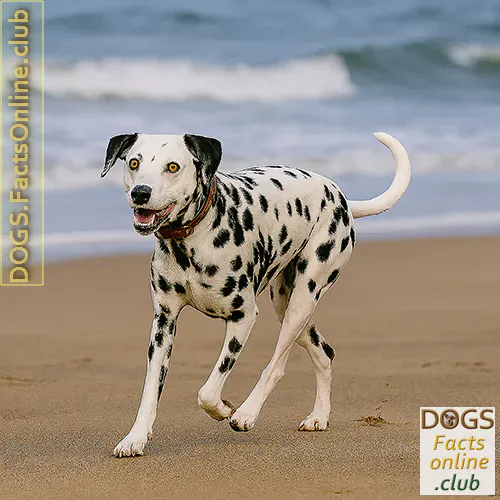
The Dalmatian is instantly recognisable by its spots and is perhaps the most iconic Utility dog, even though many people would have no idea it's in that group! The Akita, a powerful and dignified breed from Japan, is a good example of the group’s guarding heritage. The Chow Chow, with its distinctive appearance and aloof temperament, is another famous member, as is the Bulldog. But there are also surprises such as the Shih Tzu, a small companion dog, and the Poodle, often thought of as a Toy or Gundog. This variety really illustrates the eclectic nature of the group.
Modern relevance
Today the Utility group continues to attract debate but also admiration. These breeds are popular companions, show dogs and cultural icons. The Bulldog has become a symbol of resilience, the Dalmatian a family favourite, the Poodle a byword for intelligence and trainability. Their roles may have shifted from work to companionship, but their appeal endures. The group also reflects the global nature of dog breeding, with origins stretching from East Asia to Europe and beyond. For owners and enthusiasts, the Utility group offers a window into the diversity of canine history and the ways in which dogs adapt to human society.
Full List of Breeds
| Utility Breeds (A–J) | Utility Breeds (K–Z) |
|---|---|
| Akita Boston Terrier (US) Bulldog Chow Chow Dalmatian French Bulldog German Spitz (UK) Japanese Akita Inu (UK) Japanese Shiba Inu Japanese Spitz (UK) | Keeshond Lhasa Apso Miniature Schnauzer Poodle (Standard, Miniature, Toy) Schipperke (UK) Shih Tzu Tibetan Spaniel Tibetan Terrier Xoloitzcuintli (US) |
The Utility group may lack a single defining purpose, but that is precisely what makes it so compelling. It is a collection of dogs that tell different stories, from ancient guardians to palace companions and carriage runners. Together they show how human culture, history and preference shape the breeds we know today. To explore the Utility group is to explore the rich variety of the canine world, and to appreciate that not every dog can be neatly labelled.
Frequently Asked Questions about the Utility Breed Group
1. What is the Utility breed group?
The Utility group is a Kennel Club classification that gathers together breeds which do not fit neatly into other groups. Many were originally bred for specific working purposes that are no longer common today, while others were developed for companionship or unique regional roles. They are diverse in size, appearance and temperament.
2. Why are they called “Utility” dogs?
The term “utility” reflects their original usefulness in a variety of roles. Some were guard dogs, some were carriage runners, others were companions or watchdogs for monasteries. Today, the group is more of a catch‑all category for breeds that don’t belong in Gundog, Hound, Terrier, Toy, Working or Pastoral groups.
3. Which breeds are in the Utility group?
Examples include the Bulldog, Dalmatian, Chow Chow, Poodle, Shih Tzu, Akita, Boston Terrier, Keeshond, Lhasa Apso, Japanese Spitz, Miniature Schnauzer and Tibetan Spaniel. The exact list depends on the kennel club, but the UK Kennel Club recognises around 29 breeds in this group.
4. Do Utility dogs share common traits?
Unlike other groups, Utility dogs do not share a single set of traits. They vary widely in size, coat type, exercise needs and temperament. Some, like the Dalmatian, are highly active, while others, like the Bulldog, are more sedentary. Owners must research each breed individually.
5. Are Utility dogs good family pets?
Many Utility breeds make excellent companions. French Bulldogs, Boston Terriers and Shih Tzus are popular family dogs. However, some breeds, such as the Chow Chow or Shar Pei, can be more aloof and require experienced handling. Suitability depends on the specific breed and the household.
6. How much exercise do Utility dogs need?
Exercise requirements vary greatly. Dalmatians need long daily runs, Bulldogs struggle with strenuous activity, and Poodles thrive on both physical and mental stimulation. Prospective owners should match a breed’s needs to their lifestyle.
7. Do Utility dogs need a lot of grooming?
Some breeds, like Poodles and Shih Tzus, require regular grooming and professional trimming. Others, like the Bulldog or Dalmatian, have short coats that are easier to maintain. Grooming needs are highly breed‑specific within this group.
8. Are Utility dogs healthy breeds?
Health varies by breed. Bulldogs and French Bulldogs can suffer from breathing difficulties due to brachycephalic features, while Dalmatians are prone to urinary issues. Responsible breeding and veterinary care are essential for maintaining health.
9. Why are some breeds in the Utility group in the UK but not in the US?
Different kennel clubs classify breeds differently. For example, the Shih Tzu is in the Utility group in the UK but in the Toy group in the US. The American Kennel Club does not use a “Utility” category, instead placing many of these breeds in the Non‑Sporting group.
10. What are some of the oldest Utility breeds?
Several Utility breeds have ancient origins. The Chow Chow from China and the Shar Pei are among the oldest documented breeds. The Dalmatian has a long history as a carriage dog, and the Poodle has centuries of history as both a water retriever and companion.
11. Are Utility dogs suitable for first‑time owners?
Some breeds, like the French Bulldog or Boston Terrier, are well suited to novice owners. Others, such as the Akita or Chow Chow, require experienced handling due to their size, guarding instincts or independent nature. Research and honest assessment of lifestyle are key.
12. How popular are Utility dogs today?
Utility breeds are among the most popular companion dogs worldwide. French Bulldogs and Bulldogs consistently rank near the top of registration lists, while Poodles remain highly popular for their intelligence and hypoallergenic coats.
13. Which breeds in the Utility group surprise people the most?
Many are surprised to find the Dalmatian, Poodle and Shih Tzu in the Utility group, as they are often associated with different roles or groups in other countries.
14. What are the main dog breed groups besides Utility?
Most kennel clubs divide dogs into groups or 'breed standards' based on function and history. The seven groups commonly recognised are:
- Gundog (UK) / Sporting (US)
- Hound
- Pastoral UK / Herding (US)
- Terrier
- Toy
- Utility UK / Non‑Sporting (US)
- Working
These categories help classify breeds by their original purpose and traits. For more information on breed groups in general, read this article.