
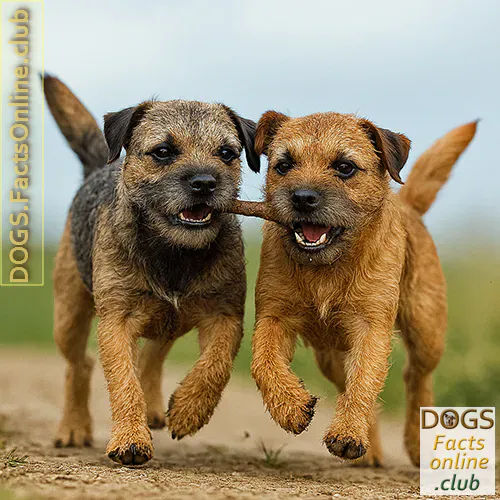






What makes terriers one of the most distinctive and enduring groups of dogs?
The terrier is one of the most distinctive and enduring groups or "breed standards" of dogs, shaped by centuries of work, sport and companionship.
The very name comes from the Latin terra, meaning earth, and it is a fitting description for dogs bred to go to ground in pursuit of quarry. Terriers were never designed to be ornamental. They were practical animals, created to rid farms, homes and stables of vermin, to flush foxes from their dens and to serve as tireless guardians of property. Over time they have been refined, divided and in some cases reinvented, but the essence of the terrier remains the same: bold, energetic, intelligent and often way more determined than their size would suggest.
Jump to List of Terriers | FAQs
The earliest terriers were rough working dogs in Britain and Ireland, valued less for appearance than for their ability to tackle rats, badgers and foxes. By the 18th century, they were already being grouped into two broad types, long-legged and short-legged, reflecting the different work they were expected to do. The longer-legged terriers could follow quarry above ground and keep pace with hounds, while the shorter-legged ones were better suited to burrowing into dens and squeezing through tight spaces. Farmers and gamekeepers relied on them as a natural form of pest control, and they quickly gained a reputation for being courageous.
As the centuries moved on, terriers were drawn into the world of sport. Rat pits became popular in towns and cities, where spectators would bet on how quickly a dog could clear a pit of rats. Some terriers were crossed with bulldogs to create the bull-and-terrier types, dogs that combined the agility and persistence of the terrier with the strength and tenacity of the bulldog. These crosses were used in dog fighting and bull baiting before such practices were outlawed. From these beginnings came breeds such as the Bull Terrier and Staffordshire Bull Terrier, which in later years were reshaped into family companions and show dogs. The shadow of those origins still lingers, and bull-type terriers remain at the centre of debate about reputation, temperament and legislation.
Not all terriers were bred for blood sports, though; many were developed for highly specific local needs. The Airedale Terrier, the largest of the group, was created in Yorkshire to hunt otters and guard property. The Border Terrier was bred to run with foxhounds in the rugged border country between England and Scotland, small enough to follow a fox underground but tough enough to keep up with the chase. The Cairn Terrier, with its wiry coat and sturdy build, was used in the Scottish Highlands to flush quarry from rocky cairns. Each of these breeds reflects the landscape and work of its region, and each retains the instincts of its ancestors.
The 19th century saw the rise of dog shows and the formalisation of breeds. Terriers were divided into ever more precise categories, with standards written to describe their appearance and temperament. This period also saw the creation of toy terriers, bred down in size from their working cousins to serve as companions in towns and cities. The Yorkshire Terrier, once a ratter in textile mills, became a fashionable pet. The English Toy Terrier, black and tan and delicate in build, was another product of this trend. These dogs may look dainty, but they still carry the spark of the terrier character, quick to bark and unwilling to be dismissed as lapdogs.
The development of terriers has not been without controversy. The bull-and-terrier crosses, as already mentioned, are tied to the history of dog fighting, and their descendants have been caught up in modern debates about dangerous dogs. Breed-specific legislation in some countries has targeted Staffordshire Bull Terriers, American Pit Bull Terriers and related breeds. At the same time, some native terrier breeds in Britain have become vulnerable through lack of popularity. The Dandie Dinmont Terrier, once celebrated in literature, and the Sealyham Terrier, once a favourite of film stars, are at risk of disappearing altogether. These breeds are part of Britain’s cultural heritage, but they struggle to survive in a world where fashions in dogs change quickly.
Another grey area lies in the classification of terriers across different kennel clubs. The Kennel Club in the UK and the American Kennel Club in the US both recognise a terrier group, but not always the same breeds. The Jack Russell Terrier, for example, is recognised in the UK but not by the AKC, which instead registers the closely related Parson Russell Terrier. The American Hairless Terrier, developed from Rat Terriers in Louisiana, is recognised in the US but not in Britain. These differences can cause confusion, and they highlight the way national traditions shape the way breeds are defined.
Despite their variety, terriers share certain common traits: they are all energetic, intelligent and often independent-minded. They can be stubborn, but they are also affectionate with their families. Their prey drive remains strong, which can make them challenging in homes with small pets, but it also makes them lively companions for active people. They are quick to learn, though not always eager to please, and they thrive on mental and physical stimulation. A bored terrier will find its own entertainment, often by digging, barking or dismantling whatever is to hand.
Some terriers are instantly recognisable. The West Highland White Terrier, or Westie, with its bright white coat and jaunty expression, has been a popular pet for decades. The Scottish Terrier, with its distinctive silhouette and dignified manner, is another familiar figure. Yet there are surprising members of the group too. The Bedlington Terrier, with its lamb-like appearance, is a terrier beneath the curls, originally bred to hunt in the coal mines of Northumberland. The Kerry Blue Terrier, with its striking blue coat, was once a farm dog in Ireland. The Cesky Terrier, developed in Czechoslovakia (now split into the Czech Republic and Slovakia) in the 20th century, is a more recent addition, bred for hunting but with a calmer temperament than many of its cousins.
Full list of Terriers
| Terrier Breeds (A–G) | Terrier Breeds (I–Z) |
|---|---|
|
Airedale Terrier American Hairless Terrier (US only) American Staffordshire Terrier (US only) Australian Terrier Bedlington Terrier Border Terrier Bull Terrier Cairn Terrier Cesky Terrier (UK only) Dandie Dinmont Terrier (UK only) Fox Terrier (Smooth) Fox Terrier (Wire) Glen of Imaal Terrier (UK only) |
Irish Terrier Jack Russell Terrier (UK only) Kerry Blue Terrier Lakeland Terrier (UK only) Manchester Terrier Miniature Bull Terrier Norfolk Terrier Norwich Terrier Parson Russell Terrier (US only) Rat Terrier (US only) Scottish Terrier Sealyham Terrier (UK only) Skye Terrier (UK only) Soft Coated Wheaten Terrier Staffordshire Bull Terrier Welsh Terrier West Highland White Terrier |
The diversity of the Terrier group is one of its strengths. From the tiny toy terriers to the imposing Airedale, from the vulnerable native breeds to the controversial bull types, terriers encompass a wide range of shapes, sizes and histories. They are united by their origins in the earth, by their courage and determination, and by their enduring appeal to people who value character as much as appearance. The Terrier group is a living record of human needs and choices, and they're a very strong reminder that dogs have always been shaped by the work we ask of them.
Frequently Asked Questions about the Terrier breed group
1. What is the Terrier breed group?
The Terrier group consists of energetic, bold, and determined dogs originally bred to hunt vermin and small game. The name comes from the Latin terra (earth), reflecting their role in digging and pursuing quarry underground.
2. What are the main types of Terriers?
Terriers are often divided into subtypes:
- Working Terriers (Hunt/Fell Terriers): e.g., Jack Russell, Patterdale, Border Terrier – bred to go to ground after foxes and vermin.
- Bull‑type Terriers: e.g., Staffordshire Bull Terrier, Bull Terrier – developed by crossing bulldogs with terriers for strength and tenacity.
- Toy Terriers: e.g., Yorkshire Terrier, English Toy Terrier – bred down in size for companionship.
- Long‑legged Terriers: e.g., Airedale, Irish, Kerry Blue – versatile hunters above ground.
3. Which breeds are in the Terrier group?
The UK Kennel Club recognises 26 terrier breeds, including: Airedale, Border, Bull Terrier, Cairn, Fox Terrier (Smooth & Wire), Irish, Lakeland, Norfolk, Norwich, Scottish, Sealyham, Skye, Staffordshire Bull Terrier, Welsh, West Highland White, and more.
4. What is the temperament of Terriers?
Terriers are lively, confident, and persistent. They are intelligent but independent thinkers, often described as “big personalities in small bodies”. They can be affectionate with families but are also fearless and sometimes very stubborn!
5. Are Terriers good family pets?
Many terriers make excellent companions, especially breeds like the Border Terrier or West Highland White Terrier. However, their high energy, prey drive and tendency to dig or bark mean they need consistent training and stimulation.
6. Are Terriers easy to train?
They are intelligent but not always obedient in the traditional sense. Terriers were bred to work independently, so they may question commands. Short, engaging, reward‑based training works best.
7. Do Terriers get along with other pets?
Terriers can live happily with other dogs if socialised early, but their strong prey drive makes them risky around small animals like rabbits or guinea pigs – careful introductions and supervision are essential to avoid a messy outcome!
8. How much exercise do Terriers need?
Most terriers need at least an hour of daily exercise, with opportunities to run, dig and play. Some, like the Jack Russell, require much more due to their boundless energy.
9. Do Terriers bark a lot?
Yes, many terriers are vocal. Barking was historically encouraged to alert handlers underground. While training can reduce nuisance barking, it is part of their nature.
10. What are common health issues in Terriers?
Health concerns vary by breed:
- Bull Terriers: deafness, skin issues.
- Westies: skin allergies.
- Scottish Terriers: Scottie cramp, bladder cancer.
- Jack Russells: patellar luxation, eye conditions.
Responsible breeding and regular vet care help reduce risks.
11. Are Terriers suitable for first‑time owners?
Some terriers, like the Border Terrier or Norfolk Terrier, are good for beginners. Others, like the Bull Terrier or Staffordshire Bull Terrier, need experienced handling due to strength or stubbornness.
12. How long do Terriers live?
Most terriers are long‑lived, often reaching 12–16 years, with smaller breeds like the Jack Russell and Cairn Terrier frequently living into their late teens.
13. Why are Terriers described as “feisty”?
Their history as fearless hunters of vermin required boldness, persistence and independence. These traits remain today, giving terriers their spirited, sometimes cheeky reputation.
14. Are all dogs with “terrier” in the name true terriers?
Not always. For example, the Tibetan Terrier is not a true terrier but was named for its resemblance. True terriers descend from European hunting dogs bred for earthwork.
15. What are the main dog breed groups besides Terrier?
Most kennel clubs divide dogs into groups or 'breed standards' based on function and history. The seven groups commonly recognised are:
- Gundog (UK) / Sporting (US)
- Hound
- Pastoral UK / Herding (US)
- Terrier
- Toy
- Utility UK / Non‑Sporting (US)
- Working
These categories help classify breeds by their original purpose and traits. For more information on breed groups in general, read this article.