






How can I make recall training fun?
A reliable recall is essential, but drilling it can become dull.
That's where recall games come in. It keeps the training fun, fast‑paced and effective, and all the while you're doing it, the dog thinks it's just playing a great game.
In the following explanations, I'll use the word "come", as that's what I use, but you can use any word you like... so long as it's consistent. I also sometimes add the dog's name before the command, especially in the early days of training, to make sure I've got the dog's attention.
There's a list of frequently asked questions at the end.
One simple game is ping‑pong recall: two people stand apart, taking turns calling "[dog's name], come!" and rewarding the dog when it arrives. The back‑and‑forth movement builds speed and enthusiasm. Over time, try dropping the dog's name; you might be surprised at how quickly the dog learns this word and learns to act quickly!
This can also be expanded to three or more people spaced around a garden or park. Each person calls the dog in turn, rewarding on arrival. It has the added advantage of teaching the dog to respond to the same command from multiple handlers, which can be very useful in a family.
Another game is a version of hide and seek. Hide somewhere in the house or garden, call "[dog's name], come!" and reward them when they find you. If they can't find you, occasionally call out again until they find you. This game especially well as it taps into their natural hunting instincts and curiosity. It can require a bit of creativity on your part, but is a HUGE joy for both of you when the dog finds you.
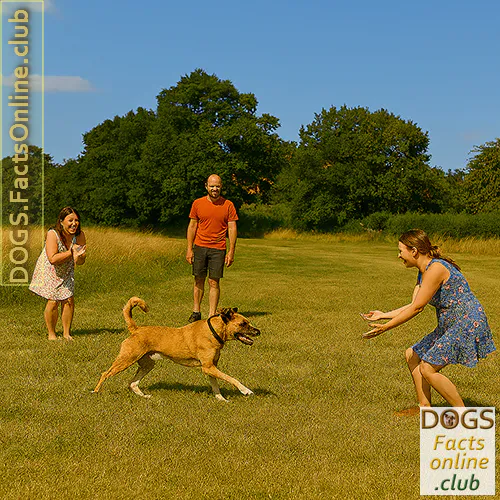
One of my favourites is chase recall: run a few steps away after calling your dog. Most dogs love to chase, and this taps into that instinct. When they catch up, reward them enthusiastically.
Distraction recall: place a distraction at low level (such as a toy on the ground) and practice calling your dog past it. Reward heavily when they choose you over the distraction. This helps test and reinforce recall for real‑world situations where you really need to get the dog back to you past a distraction.
Some people have an emergency recall word, where they teach a special, high‑value cue different from the everyday “come”, but I find "come NOW!" in a loud voice does the trick just as well, and is one less word for you and the dog to remember. If you do choose an emergency recall word, train it with the best reward such as some chicken or a favourite toy. Use it sparingly, though, so it never loses its power.
With the exception of the emergency recall word, the reward in each case can be anything the dog likes: toys, treats, play or just some affection. Keep sessions short to maintain excitement. Occasionally call your dog just to reward them and let them go back to what they were doing – this prevents them from associating recall with the end of fun.
By making recall a game, you create a habit of your dog running to you with joy and energy, even in distracting environments. It’s training disguised as play, and it works!
FAQs about recall training
Why won’t my dog come back when called?
Competing distractions (wildlife, other dogs, smells) are often more rewarding than the handler. The solution is to make recall more rewarding than the alternative, so use high‑value treats, toys or play, and practice in gradually more distracting environments.
Should I punish my dog if they don’t come back?
No, never. If the dog associates "come!" with punishment, it'll make the dogs less likely to return in the future. Always reward them for coming back, even if it took longer than you wanted.
How do I start teaching recall?
Begin in a quiet, enclosed space. Say your dog’s name, then your recall cue (e.g., “come”), and reward them when they reach you. Build up gradually with distance and distractions.
Can I use a whistle instead of a word?
Yes, many trainers recommend a whistle because it’s consistent, carries further than a voice, and isn’t affected by your mood.
How do I stop my dog from ignoring the recall cue?
Avoid repeating the cue multiple times if they’re not responding, as it teaches them they can ignore it. Instead, start again with reduced distractions if possible, use a long line for safety, and reward generously when they do respond.