
Share this article about
Pastoral (UK)/Herding (US) group




%2FHerding%20(US)%20group)

What are "pastoral" dogs?
The pastoral group is one of the most distinctive and historically important categories of dogs, shaped by centuries of work alongside humans in the management of livestock.
These are the herding dogs, bred with intelligence, stamina and a strong instinct to control the movement of animals. Their story is not only about farming but also about how people across different landscapes and cultures have relied on dogs to extend their own abilities, creating breeds that are both practical workers and, in many cases, beloved companions.
Jump to Full list of Pastoral dogs | FAQs
The origins of pastoral dogs can be traced back to the earliest domestication of sheep, goats and cattle. Once humans began to keep animals in groups rather than hunt them, the need arose for dogs that could help manage and protect these valuable resources. Early herding dogs were not uniform in type but were selected for their ability to move stock, guard against predators and respond to commands. Over time, regional differences in terrain, climate and farming practices shaped the development of distinct breeds. In the British Isles, for example, the rugged hills and open moorlands demanded agile, quick-thinking dogs that could work at a distance, while in continental Europe larger, more imposing dogs were often favoured for their dual role as guardians as well as herders.
The purpose of pastoral dogs has always been rooted in utility. They were bred to gather, drive or pen livestock, often working long hours in challenging conditions. Their instincts are so strong that even today, many pastoral breeds will attempt to herd children, other pets or even vehicles if not given an outlet for their energy. This instinct is not a quirk but the result of generations of selective breeding, where only the most responsive and capable dogs were kept for work. Farmers and shepherds were practical people, and a dog that could not perform its duties was unlikely to be bred from. This relentless focus on function created dogs of remarkable intelligence and trainability, qualities that have since made them popular in many other roles, from search and rescue to competitive obedience and agility.
The development of pastoral breeds over the centuries has not been without controversy. One grey area lies in the distinction between working and show lines. In some breeds, particularly the Border Collie, there is a sharp divide between dogs bred for the show ring and those bred for work. The working collie is valued for its instinct, stamina and responsiveness, while the show collie is bred to conform to a physical standard that may not always align with working ability. This has led to debates within the dog world about whether the emphasis on appearance undermines the original purpose of the breed. Similar concerns have been raised about other pastoral breeds where exaggerated coats or body shapes have been favoured in shows, potentially at the expense of health and function.
Another area of debate is the classification of certain breeds. The pastoral group as recognised in the United Kingdom by the Kennel Club does not always align with the herding group as recognised by the American Kennel Club. Some breeds appear in one but not the other, and there are occasional disagreements about whether a particular dog should be considered pastoral at all. For example, the Australian Shepherd, despite its name, was developed largely in the United States and is recognised there as a herding breed, but it does not have the same historical presence in the UK pastoral group. These differences highlight how breed categories are shaped not only by function but also by national traditions and kennel club policies.
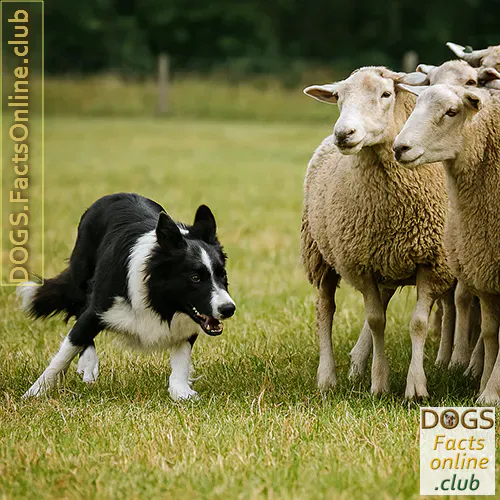
Typical examples of pastoral dogs include the Border Collie, perhaps the most iconic herding dog in the world, known for its intense gaze and extraordinary ability to control sheep with minimal guidance. The German Shepherd Dog, though often associated today with police and military work, was originally bred for herding and remains a pastoral breed in its origins. The Old English Sheepdog, with its shaggy coat and rolling gait, is another classic example, though its modern image as a show dog sometimes obscures its working roots. Less obvious but equally fascinating are breeds such as the Puli from Hungary, with its corded coat that protects it from harsh weather, or the Norwegian Buhund, a spitz-type dog that reflects the northern heritage of herding breeds.
Full List of Pastoral breeds
| Pastoral / Herding Breeds (A–C) | Pastoral / Herding Breeds (C–Z) |
|---|---|
|
Anatolian Shepherd Dog (UK) Australian Cattle Dog (US) Australian Kelpie (UK) Australian Shepherd (US) Bearded Collie Beauceron (US) Belgian Shepherd (Groenendael) (UK) Belgian Shepherd (Laekenois) (UK) Belgian Shepherd (Malinois) Belgian Shepherd (Tervueren) (UK) Bergamasco (UK) Border Collie Bouvier des Flandres (US) Briard Canaan Dog (US) Cardigan Welsh Corgi |
Collie (Rough) Collie (Smooth) Entlebucher Mountain Dog (US) Finnish Lapphund (UK) German Shepherd Dog Icelandic Sheepdog (US) Lancashire Heeler (UK) Maremma Sheepdog (UK) Norwegian Buhund (UK) Old English Sheepdog Pembroke Welsh Corgi Polish Lowland Sheepdog (UK) Puli Pumi (US) Pyrenean Mountain Dog (UK) Pyrenean Shepherd (UK) Shetland Sheepdog Spanish Water Dog (UK) Swedish Lapphund (UK) Swedish Vallhund (UK) |
Surprising members of the pastoral group often come from regions where herding traditions are less well known. The Polish Lowland Sheepdog, for instance, is not as widely recognised as the Border Collie but has a long history of working with flocks in central Europe. The Pyrenean Sheepdog, small and wiry, is another breed that might surprise those who assume herding dogs are always medium to large in size. These examples remind us that pastoral dogs are not a single type but a diverse collection shaped by local needs and environments.
The adaptability of pastoral dogs has also played a role in their spread beyond farming. Their intelligence and eagerness to work make them ideal candidates for modern activities such as agility, flyball and obedience trials. Many also serve as assistance dogs, where their trainability and sensitivity to human cues are invaluable. Yet this versatility can be a double-edged sword. Without sufficient mental and physical stimulation, pastoral breeds can become frustrated or develop behavioural problems. They are not always the easiest choice for a casual pet owner, despite their popularity, and this mismatch between instinct and lifestyle is another area of concern among breeders and trainers.
Over the years, selective breeding has refined not only the working abilities of pastoral dogs but also their appearance. Some breeds have been shaped into recognisable show types, with coats and features that require significant grooming. Others have remained closer to their working origins, with practical builds and minimal exaggeration. The balance between preserving heritage and adapting to modern expectations continues to shape the pastoral group today. Breed clubs, working trials and herding competitions all play a role in maintaining the skills and instincts that define these dogs, ensuring that their legacy as working partners is not lost.
The pastoral group, then, is both ancient and modern, rooted in the earliest days of farming yet still evolving in response to contemporary needs. It encompasses dogs that are instantly recognisable and others that are little known outside their native regions. It raises questions about the balance between work and show, function and form, tradition and adaptation. Above all, it reflects the enduring partnership between humans and dogs, a partnership built on trust, intelligence and shared purpose. Whether gathering sheep on a hillside, competing in an agility ring or simply offering companionship at home, pastoral dogs carry with them the history of their role and the instincts that have defined them for generations.
Frequently Asked Questions about the Pastoral group
1. What is the Pastoral breed group?
The Pastoral group (called the Herding group in the US) includes dogs bred to work with livestock such as sheep, cattle and reindeer. Their roles include herding, driving and guarding animals. They are intelligent, energetic and thrive when given a job to do.
2. Which breeds are in the Pastoral group?
The UK Kennel Club recognises 33 breeds in this group. Well‑known examples include the Border Collie, German Shepherd, Old English Sheepdog, Shetland Sheepdog, Welsh Corgi (Pembroke and Cardigan), Bearded Collie, Belgian Shepherd (all varieties), Samoyed and Pyrenean Mountain Dog.
3. What are the main types of Pastoral dogs?
- Herding dogs: Work closely with handlers to gather and move livestock (e.g., Border Collie).
- Drovers: Move animals long distances across rough terrain (e.g., Australian Cattle Dog).
- Guardian dogs: Protect herds from predators by living alongside them (e.g., Maremma Sheepdog, Pyrenean Mountain Dog).
4. What is the temperament of Pastoral dogs?
They are intelligent, loyal and eager to please, but also strong‑willed and energetic. They form close bonds with their handlers and are happiest when mentally and physically stimulated. They're happiest when working, and can become difficult if they don't get enough stimulation.
5. Are Pastoral dogs good family pets?
Yes, many make excellent companions. Breeds like the Shetland Sheepdog and Corgi are affectionate and adaptable. However, their herding instincts may lead them to chase or nip at children or other pets if not trained properly.
6. How much exercise do Pastoral dogs need?
They require high levels of daily exercise, often 1.5 to 2 hours or more. Many excel in dog sports such as agility, obedience and flyball, which provide both physical and mental stimulation. They can be suprisingly good at finding things; given their intelligence, they just love to do a job... any job!
7. Are Pastoral dogs easy to train?
Yes, they are among the most trainable breeds due to their intelligence and eagerness to work with humans. However, they can become bored if training is too repetitive, so variety and consistency are key.
8. Do Pastoral dogs get along with other pets?
Generally yes, especially if socialised early. However, their strong herding drive may cause them to chase or control other animals, so supervision and training are important.
9. What are common health issues in Pastoral breeds?
Health concerns vary by breed. Border Collies may suffer from hip dysplasia and eye conditions, German Shepherds especially can suffer from hip and elbow dysplasia, and large guardian breeds from bloat. Responsible breeding and regular vet care are essential.
10. Are Pastoral dogs suitable for first‑time owners?
Some breeds, like the Shetland Sheepdog or Bearded Collie, can suit first‑time owners who are active and committed to training. Others, like the Border Collie, Austalian Kelpie or Belgian Malinois, may overwhelm novices due to their intense energy and working drive.
11. Can Pastoral dogs live in apartments?
They can adapt if their exercise and mental stimulation needs are fully met, but most thrive in homes with access to outdoor space. Without enough activity, they may develop behavioural problems.
12. How long do Pastoral dogs live?
Most live 12–15 years, depending on breed and size. Smaller breeds like the Shetland Sheepdog often live longer, while giant guardian breeds like the Pyrenean Mountain Dog may have shorter lifespans.
13. Why do some kennel clubs call them Herding dogs instead of Pastoral?
The UK Kennel Club uses the term “Pastoral”, while the American Kennel Club uses “Herding”. Both refer to the same general group of breeds, though classifications may differ slightly between registries.
14. What makes Pastoral dogs unique compared to other groups?
They are defined by their instinct to control and protect livestock, their high intelligence and their strong partnership with humans. Unlike Gundogs or Terriers, they are bred to work cooperatively with handlers over long periods and distances.
15. What are the main dog breed groups besides Gundog?
Most kennel clubs divide dogs into groups or 'breed standards' based on function and history. The seven groups commonly recognised are:
- Gundog (UK) / Sporting (US)
- Hound
- Pastoral UK / Herding (US)
- Terrier
- Toy
- Utility UK / Non‑Sporting (US)
- Working
These categories help classify breeds by their original purpose and traits. For more information on breed groups in general, read this article.