
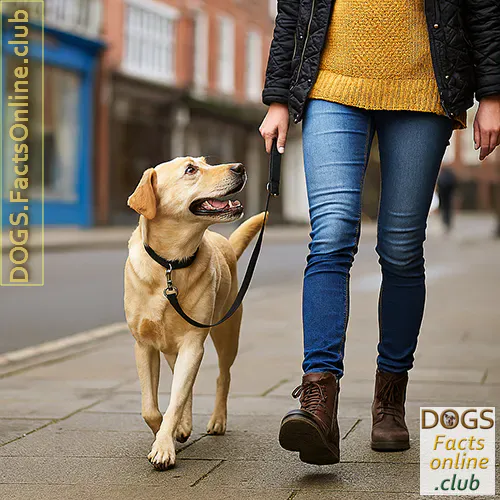






How can I teach my dog not to pull on the lead?
Walking a dog that pulls can quickly turn a peaceful outing into a struggle. Loose lead walking is the skill of teaching your dog to walk beside you without tension on the lead, making walks more enjoyable and safer for both of you.
How to do it
Begin in a quiet, low‑distraction environment. Hold the lead in one hand and treats in the other. Reward your dog for being by your side, even if it is only for a few steps. If they surge ahead, stop walking and wait for them to return to your side before moving on. This teaches them that pulling gets them nowhere, while staying close keeps the walk going.
Patience is essential. Pulling is often self‑rewarding because it gets the dog to their destination more quickly. By removing that reward and instead offering praise and treats for walking nicely, you change the incentive. Keep training sessions short at first, gradually increasing the duration as your dog learns the new habit.
Consistency is just as important as patience. Decide which side you want your dog to walk on and stick with it. Use the same cues and rewards each time so your dog understands what is expected. Equipment can also help: a well‑fitted harness and a standard lead are usually better than retractable leads, which encourage pulling.
Over time, loose lead walking becomes a default behaviour. With practice, every walk can become a calm, cooperative experience rather than a test of strength.
FAQs about Loose Lead Walking
What is loose lead walking?
Loose lead walking means your dog walks beside you on a relaxed lead without pulling. It is different from a strict heel, as the dog has some freedom but does not surge ahead or lag behind.
Why does my dog pull on the lead?
Dogs naturally walk faster than humans and are excited by sights, smells and sounds. Pulling is also self‑rewarding because it gets them where they want to go more quickly.
What equipment should I use?
A standard lead and a well‑fitted harness are recommended. Avoid retractable leads, as they encourage pulling. For strong dogs, a front‑clip harness can provide more control without causing discomfort. Neck collars are discouraged, as the dog can hurt itself. Harnesses are far more comfortable and also allow you to exert more control if needed.
How long will it take to teach loose lead walking?
It varies by dog. Some learn within a few weeks, while others may take longer. Consistency, patience and short, regular sessions are the keys to success.
Should I punish my dog for pulling?
No. Punishment can create stress and confusion. Instead, stop walking when the lead tightens and reward your dog when they return to your side. This teaches them that pulling does not work, but walking calmly does.
Can puppies learn loose lead walking?
Yes. In fact, it is easier to start when they are young. Begin with short sessions in quiet areas and gradually build up as they grow and gain confidence.
How do I progress to busier environments?
Once your dog is consistent in quiet areas, slowly introduce more distractions. Practise in the garden, then on quiet streets, and eventually in busier places. Always reward success and keep sessions positive.
What if my dog only walks nicely when I have treats?
At first, treats are essential to build the habit. Over time, you can reduce the frequency of treats and replace them with praise, play or access to interesting places as rewards.
Is loose lead walking the same as heelwork?
No. Heelwork requires the dog to stay in a precise position next to your leg, often used in obedience competitions. Loose lead walking is more relaxed and practical for everyday walks. More about heelwork here.