
Share this article about
Gundog (UK)/Sporting (US) group




%2FSporting%20(US)%20group)

What exactly are Gundogs?
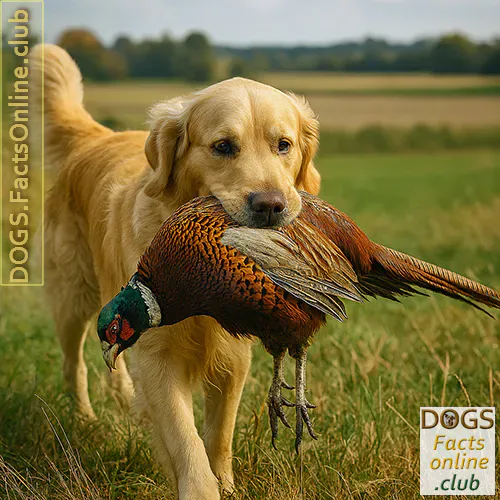
Gundogs, known in the US as Sporting dogs, are bred to work with hunters in the field – finding, indicating, flushing or retrieving game cleanly and with control.
The term Gundog has a practical and literal origin: these are dogs that were bred to work to a gun. While different kennel clubs label them differently, in the UK they sit together as a single group that ties breeds by function as much as by ancestry.
Jump to List of Gundogs | FAQs
To understand where gundogs came from, it helps to trace the way people hunted. Dogs were used to assist hunters in Britain from the Roman period, with roles that shifted over centuries. In the medieval era you would find spaniels tracking and netting partridge, greyhounds coursing hares, and small dogs aiding decoying for ducks. Shooting as a sport changed things after the restoration of the monarchy in 1660 when Charles II popularised shooting birds in flight. Spaniels and the early “setting dogs” were used to flush and retrieve gamebirds for these flying shots. Pointers reached Britain from Spain in the early eighteenth century and settled into British shooting culture. Through the nineteenth century more specialist breeds entered the scene including Labrador and flatcoated retrievers, Clumber spaniels, and setters. The mid Victorian adoption of breech‑loading shotguns drove standards higher by increasing the amount of fallen birds in a short time, demanding reliable finding and retrieving.
Modern gundogs in the UK are often described in three functional sets. Pointers and setters locate game and freeze, indicating its position for the handler to approach. Flushing spaniels push birds to wing at close range. Retrievers go out on command to recover shot game and deliver to hand. The Kennel Club recognises a long list of gundog breeds across these functions, from familiar names like English springer spaniel and Labrador retriever to breeds that some people don’t expect such as Spanish water dog and Lagotto Romagnolo. Other registries group similar breeds under a Sporting Group, which can cause confusion when people compare lists across countries.
The picture becomes interesting when you look at development. Take the retrievers. The flatcoated retriever and curly coated retriever were established in the nineteenth century, with the Labrador gaining strong working reputation thanks to its biddability and nose. Springers and cockers emerged from field spaniels split by size and role, producing versatile flushing dogs for rough shoots and driven days. Setters diverged into English, Irish and Gordon lines with distinct style and coat, serving moorland and lowland needs. This interplay between terrain, game, and human preference gave rise to breeds tuned to different jobs and conditions.
Gundogs carry a few surprises. The Poodle is widely known today for prancing along in shows with pom pom trims, but it's included in the UK Gundog group because it was originally bred for shooting and retrieving, and that shows in their aptitude in water and their trainability. The Spanish Water Dog and the Lagotto Romagnolo appear on UK Gundog lists despite one having a strong history in water work and the other being famed for truffle finding! Their inclusion reflects the broader functional spectrum of dogs that assist people in finding, flushing or retrieving game in varied landscapes.
Classification differences are one of the recurring grey areas. A Weimaraner or German Shorthaired Pointer can be described as an HPR breed – hunt, point, retrieve – but the way subgroups are presented to the public differs between countries. In the UK, the umbrella term gundog avoids breaking out HPR as a separate group even though many owners use that shorthand. In the US, the Sporting Group brings together pointers, setters, spaniels and retrievers under a single label. These naming choices can affect how newcomers learn about the dogs, but the underlying functions are shared.
Purpose sits at the heart of gundog identity. These dogs are bred to listen for direction, control their natural drive, and work in partnership. Many of the breeds are energetic, sociable and trainable precisely because they were selected for stamina, responsiveness and human focus over many generations. But this is also why early and consistent training is essential: we've all seen the spaniels who just seem crazy, zooming all over the place apparently trying to sniff and retrieve everything! That energy and drive need to be focused, especially if working "to the gun", which carries huge responsibility for safety and clean handling.
There are some controversies around the divergence between show and field lines. In several Gundog breeds, people argue about differences in type, coat and movement that have widened between dogs bred for working tests and those bred for the show ring. This affects expectations for performance and health. Another recurring debate is whether broad popularity has led to inconsistent breeding that softens working traits. Those concerns depend on the breed and the breeder, and they need careful evaluation through field work rather than assumption.
In the field, training and job fit are practical matters. Pointers and setters need ground‑scenting work and patience, and they really benefit from a knowledgeable handler. Spaniels need tight hunting patterns and a balance between drive and control at close range. Retrievers must manage steadiness at the peg, mark falls cleanly, and handle blind retrieves using whistle and directional cues.
The same focus on control and partnership carries into modern sport tests and working trials. Across the breeds you will find dogs that thrive when given a job to do, and owners who value clarity and consistency.
The Kennel Club’s Gundog roster includes pointers, setters, spaniels, HPR breeds and retrievers, covering well known dogs like Labrador Retriever, Golden Retriever, English Springer Spaniel, Cocker Spaniel, Irish Setter and Gordon Setter. It also includes breeds like the Portuguese Pointer, Italian Spinone, Korthals Griffon, small and large Munsterlanders, and the wonderfully named Nova Scotia Duck Tolling Retriever.
Full list of Gundogs
| Gundog / Sporting Breeds (A–H) | Gundog / Sporting Breeds (I–Z) |
|---|---|
|
American Water Spaniel (US) Barbet (US) Bracco Italiano (UK) Braque d’Auvergne (UK) Brittany Chesapeake Bay Retriever Clumber Spaniel Cocker Spaniel (American) (US) Cocker Spaniel (English) Curly Coated Retriever English Setter English Springer Spaniel Field Spaniel Flat Coated Retriever German Longhaired Pointer (UK) German Shorthaired Pointer German Wirehaired Pointer (US) Golden Retriever Gordon Setter Hungarian Vizsla Hungarian Wirehaired Vizsla |
Irish Red and White Setter Irish Setter Irish Water Spaniel Italian Spinone Korthals Griffon Labrador Retriever Lagotto Romagnolo Large Munsterlander Nederlandse Kooikerhondje (US) Nova Scotia Duck Tolling Retriever Pointer Portuguese Pointer (UK) Poodle (Standard) (UK) Small Munsterlander Spanish Water Dog Sussex Spaniel Vizsla (see Hungarian Vizsla) Weimaraner Welsh Springer Spaniel Wirehaired Pointing Griffon (US) |
The future of gundogs sits between tradition and change. Field sports continue in Britain and elsewhere, and many gundog owners keep the working spirit alive through training, working tests, and trials. For family homes these breeds often thrive when their minds and bodies are engaged with structured activity. Classification will continue to differ across registries, but the functions remain stable. The story that began with spaniels, setting dogs and pointers has become an incredibly diverse group, but one always characterised by partnership and control. That is what makes gundogs compelling, whether on the moor, by the water or in a steady heel in town.
Most Frequently Asked Questions about the Gundog Breed Group
1. What is the Gundog breed group?
The Gundog group (called the Sporting group in the US) includes breeds originally developed to assist hunters in finding and retrieving game. They are highly trainable, energetic and bred to work closely with people in the field.
2. Which breeds are in the Gundog group?
The group includes Retrievers (e.g., Labrador, Golden, Flat‑Coated), Spaniels (e.g., Cocker, Springer, Clumber), Setters (e.g., English, Irish, Gordon), Pointers, and versatile Hunt‑Point‑Retrieve (HPR) breeds such as the Weimaraner, Vizsla and German Shorthaired Pointer.
3. What are the main types of Gundogs?
- Retrievers – collect shot game and return it to the handler.
- Spaniels – flush game from cover.
- Pointers/Setters – locate and indicate game by “pointing” or “setting”.
- HPR breeds – versatile dogs that hunt, point and retrieve.
4. Are Gundogs good family pets?
Yes. Gundogs are generally sociable, affectionate and eager to please, which is why Gundog breeds like Labradors and Golden Retrievers are among the most popular family dogs worldwide. However, they need plenty of exercise and mental stimulation.
5. How much exercise do Gundogs need?
Most Gundogs require 1–2 hours of daily exercise, including opportunities to run and play. Working lines may need even more activity and thrive on structured training or dog sports.
6. When should I start training a Gundog puppy?
Training begins the day you bring your puppy home. Early socialisation and basic obedience are crucial. More formal gundog training often starts around 6–7 months, but foundations need to be laid much earlier.
7. Can I train a Gundog without using live game or guns?
Yes. Many owners train Gundogs for obedience, retrieving and controlled behaviours without ever introducing guns or live game.
8. What equipment is needed for Gundog training?
Basic kit includes a slip lead, whistle (e.g., Acme 210.5 for spaniels, 211.5/212 for retrievers), a lanyard, and canvas training dummies. More advanced trainers may use launchers or cold game, but these are not essential for beginners.
9. Do Gundogs get along with other pets?
Generally yes, as they are bred to work in teams and alongside humans. However, their strong prey drive means VERY careful introductions are needed with small pets like rabbits or birds, as their instinct will be to consider them valid targets...
10. What are common health issues in Gundog breeds?
- Labradors/Golden Retrievers – hip and elbow dysplasia, obesity.
- Spaniels – ear infections, eye conditions.
- Pointers/Setters – bloat, hip dysplasia.
Responsible breeding and regular vet checks help reduce risks.
11. Are Gundogs suitable for first‑time owners?
Many Gundogs, especially Retrievers and Spaniels, are excellent for first‑time owners due to their biddable nature. However, high‑energy breeds like the German Shorthaired Pointer or Weimaraner may overwhelm inexperienced handlers.
12. How long do Gundogs live?
Most Gundog breeds live 10–14 years, depending on size, genetics and care. Smaller spaniels often live longer than giant retrievers.
13. Why are Gundogs called “bird dogs”?
They were traditionally used to locate, flush and retrieve birds such as pheasants, grouse and ducks. The nickname “bird dog”, which is more commonly used in the US than the UK, reflects their historic role in bird hunting.
14. Are Gundogs only for hunters?
No. Many people enjoy Gundog training as a sport or hobby. Their intelligence and willingness to work also make them excellent therapy dogs, assistance dogs and companions in active households.
15. What makes Gundogs unique compared to other groups?
They are defined by their cooperative nature, trainability and strong retrieving or hunting instincts. Unlike independent Hounds or protective Working dogs, Gundogs are bred to work extremely closely with humans, making them versatile and people‑oriented.
16. What are the main dog breed groups besides Gundog?
Most kennel clubs divide dogs into groups or 'breed standards' based on function and history. The seven groups commonly recognised are:
- Gundog (UK) / Sporting (US)
- Hound
- Pastoral UK / Herding (US)
- Terrier
- Toy
- Utility UK / Non‑Sporting (US)
- Working
These categories help classify breeds by their original purpose and traits. For more information on breed groups in general, read this article.