
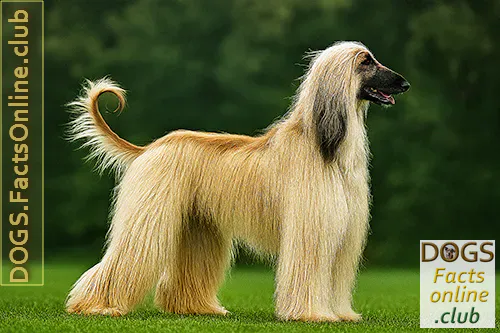






What were Afghan Hounds bred for?
The Afghan Hound is one of the most distinctive and elegant dog breeds in the world.
Known for its long, flowing coat, refined features and aloof yet affectionate nature, it has been admired for centuries both as a skilled hunter and as a companion of great beauty. Its striking profile and dignified bearing make it instantly recognisable, yet behind the glamour lies a breed with a fascinating history and specific needs.
The origins of the Afghan Hound can be traced back thousands of years to the mountainous regions of Afghanistan and surrounding areas. Bred by nomadic tribes, these dogs were valued for their ability to hunt fleet-footed game such as gazelle and hare over harsh terrain. Their speed, agility and keen eyesight made them exceptional sighthounds, able to spot and pursue prey across long distances. The breed’s long coat provided protection against the extreme cold of high altitudes, while its lean build allowed it to move with remarkable swiftness. Western travellers encountered the breed in the 19th century, and British officers stationed in the region brought some back to the UK. From there, the Afghan Hound began to appear in dog shows and gained a reputation for its exotic looks and graceful movement.
Afghan Hounds are large dogs, with males typically standing between 68 and 74 centimetres at the shoulder and females slightly smaller. Their weight usually ranges from 23 to 27 kilograms, giving them a tall yet slender frame. The breed’s most famous feature is its long, silky coat, which can come in a wide variety of colours including cream, gold, black, blue and brindle. The head is long and refined, with a narrow muzzle, dark almond-shaped eyes and long ears covered in fine hair. The tail is set low and ends in a distinctive ring curl, a hallmark of the breed.
Afghan Hounds are known for their independence. They are intelligent but can be selective in their responses to training, often preferring to think for themselves. This is a trait inherited from their hunting background, where they needed to make quick decisions without constant direction. While they can be affectionate with their families, they are often reserved with strangers and may take time to warm up to new people. Their sensitivity means they respond best to gentle, consistent handling rather than harsh correction. Afghan Hounds can live happily in a family environment, but they are generally better suited to households with no children or older children who understand how to interact respectfully with dogs.
Caring for an Afghan Hound requires commitment, particularly when it comes to grooming. Their long coat needs regular brushing, ideally several times a week, to prevent tangles and matting. Bathing is also necessary to keep the coat clean and in good condition, and drying must be thorough to avoid dampness in the undercoat. This level of grooming makes the breed high maintenance compared to many others. Exercise is equally important, as Afghan Hounds are athletic dogs that need space to run. Secure, enclosed areas are essential, as their strong prey drive can lead them to chase after moving objects without hesitation.
Afghan Hounds are generally robust but can be prone to certain conditions. Hip dysplasia, cataracts, progressive retinal atrophy and hypothyroidism are among the issues that can occur. Like many deep-chested breeds, they can also be at risk of bloat, a serious condition that requires immediate veterinary attention. Their average lifespan is around 12 to 14 years, and with proper care they can remain active and healthy well into their senior years.
In terms of popularity, the Afghan Hound is considered rare compared to more common breeds. In the UK, it ranks far lower in registration numbers than breeds like the Labrador Retriever or Cocker Spaniel. In the United States, it is also relatively uncommon, though it enjoys a dedicated following among enthusiasts who appreciate its unique qualities. Its rarity is partly due to the grooming demands and the breed’s independent nature, which may not suit every household.
For those who are drawn to the Afghan Hound’s elegance and history, the rewards of ownership can be great. They offer companionship with a touch of regal charm, and their quiet dignity can be deeply appealing. However, they are not a breed for everyone. Prospective owners should be prepared for the grooming commitment, the need for secure exercise areas and the understanding that this is a dog with a mind of its own.
The Afghan Hound is a breed that combines beauty, history and athleticism in a way few others can match. From the mountains of Afghanistan to the show rings of the West, it has retained its distinctive character and allure. For those willing to meet its needs, the Afghan Hound offers a unique and rewarding relationship, one built on mutual respect and an appreciation for its independent spirit.
Frequently Asked Questions about Afghan Hounds
1. What is the origin of Afghan Hounds?
Afghan Hounds originated thousands of years ago in the mountainous regions of Afghanistan and surrounding areas. They were bred as hunting dogs, valued for their speed, agility and ability to navigate rugged terrain.
2. What do Afghan Hounds look like?
They are tall, slender sighthounds with long, silky coats and a distinctive ring‑curled tail. Males usually stand 25–29 inches tall and weigh 60–70 pounds, while females are slightly smaller. Their coats come in many colours, adding to their striking appearance.
3. Are Afghan Hounds easy to train?
Training can be challenging due to their independent and sometimes stubborn nature. They respond best to patient, consistent, positive reinforcement. Early socialisation and training are essential to help them become well‑mannered companions.
4. What is the temperament of Afghan Hounds?
They are loyal and affectionate with their families but often aloof with strangers. Afghan Hounds are dignified, independent and sometimes mischievous. They can be playful at home but are not typically eager to please like some other breeds.
5. Are Afghan Hounds good family dogs?
They can be excellent family pets, especially in households with older children who understand their needs. Their reserved nature and high exercise requirements mean they may not be the best fit for families with very young children.
6. Do Afghan Hounds get along with other pets?
With proper socialisation, they can live peacefully with other dogs. However, their strong prey drive makes them unsafe around small animals such as rabbits or guinea pigs.
7. How much exercise do Afghan Hounds need?
They require a lot of exercise, including opportunities to run in secure, fenced areas. Daily activity of at least one to two hours is recommended to keep them healthy and content.
8. Can Afghan Hounds live in apartments?
They can adapt to apartment living if their exercise needs are met. Owners must ensure access to safe outdoor spaces where the dog can run freely.
9. Are Afghan Hounds prone to health issues?
They are generally healthy but can suffer from hip and elbow dysplasia, cataracts, progressive retinal atrophy and skin problems. Regular veterinary care and responsible breeding help reduce risks.
10. How intelligent are Afghan Hounds?
They are intelligent but they're also independent thinkers – this means they can seem to be stubborn, making them appear less trainable than they truly are.
11. How long do Afghan Hounds live?
The average lifespan is 12–14 years, with good care, exercise and nutrition contributing to longevity.
12. How much grooming do Afghan Hounds need?
Their long, fine coat requires frequent grooming to prevent tangles and matting. Many owners brush them several times a week and schedule regular professional grooming.
13. Do Afghan Hounds shed a lot?
They shed moderately, with heavier shedding during seasonal changes. Regular grooming helps manage loose hair.
14. Are Afghan Hounds noisy?
They are not typically excessive barkers, but they may vocalise when excited or alert. Their aloof nature means they are less likely to bark without reason.
15. Are Afghan Hounds suitable for first‑time dog owners?
Not really; they're best suited to experienced owners who understand independent breeds and can commit to their grooming and exercise needs. First‑time owners may find them challenging.